Knowledge Base
Explore our latest articles, insights, and expert advice on Science, Injury Prevention, and the Source.
The $15B Industry That Stopped One Step Short
50 million recreational runners are wearing devices that collect, in real time, the precise data required to apply that methodology. The question is not whether the science works. The question is why it has taken this long for a product to sit between the data and the decision. Read our solution below 👇

Super Admin
Injury Prevention Is the Next Frontier in Consumer Health Tech
The wearable market is worth $50B. Garmin and Apple have instrumented millions of athletes. And yet up to 85% of recreational runners still get injured every year. The data exists. The methodology is peer-reviewed. The consumer is already paying for the hardware. What's missing is the product that connects all three. We wrote about why injury prevention is the next frontier in consumer health tech, and why the real opportunity isn't another fitness tracker. It's the intelligence layer that finally makes the data actionable. Read it below👇
Super Admin
Why Recreational Runners Are Your Most Underserved Patient Group
Recreational runners are undertreated and underserved, by the tools available to them, by the gap between clinical care and daily training, and by an industry that has historically built everything for the elite athlete and left everyone else with a generic plan and a hope. That gap is worth examining closely. Because closing it isn't just a clinical opportunity. It's a significant one for anyone building in the sports medicine, health tech, or digital therapeutics space. Read more here 👇
Super Admin

The Patient Who Keeps Coming Back: Why Recreational Runners Re-Injure at Such High Rates
For investors watching the preventive health space, this cycle represents something specific: a large, repeat-access patient population, a well-understood root cause, and a gap in the tools ecosystem that nobody has closed for the recreational runner. That gap is the opportunity. Read more about it here 👇
Super Admin

Garmin Tracks the Data. Lode Tells You What To Do With It.
LODE connects directly to Garmin's data infrastructure and applies EWMA to calculate each runner's acute and chronic load from their actual training history. Not a template. Not an average. Their real numbers, updated after every session.
Super Admin
Why your Load Matters: What the LODE Zones mean in reality
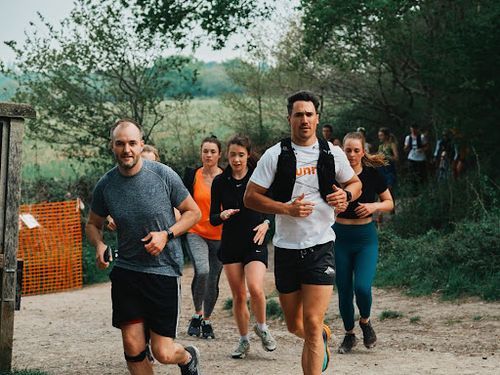
LODE will give you a target zone, but how do you know what that means for you? Have a read to understand why you are in that zone and what that means for your training.
Vanessa Robitaille

Coming Back from a Break Done Right
You've had time away. Here's what's changed inside your body - and why the next 6 runs matter more than any you've done before.
Vanessa
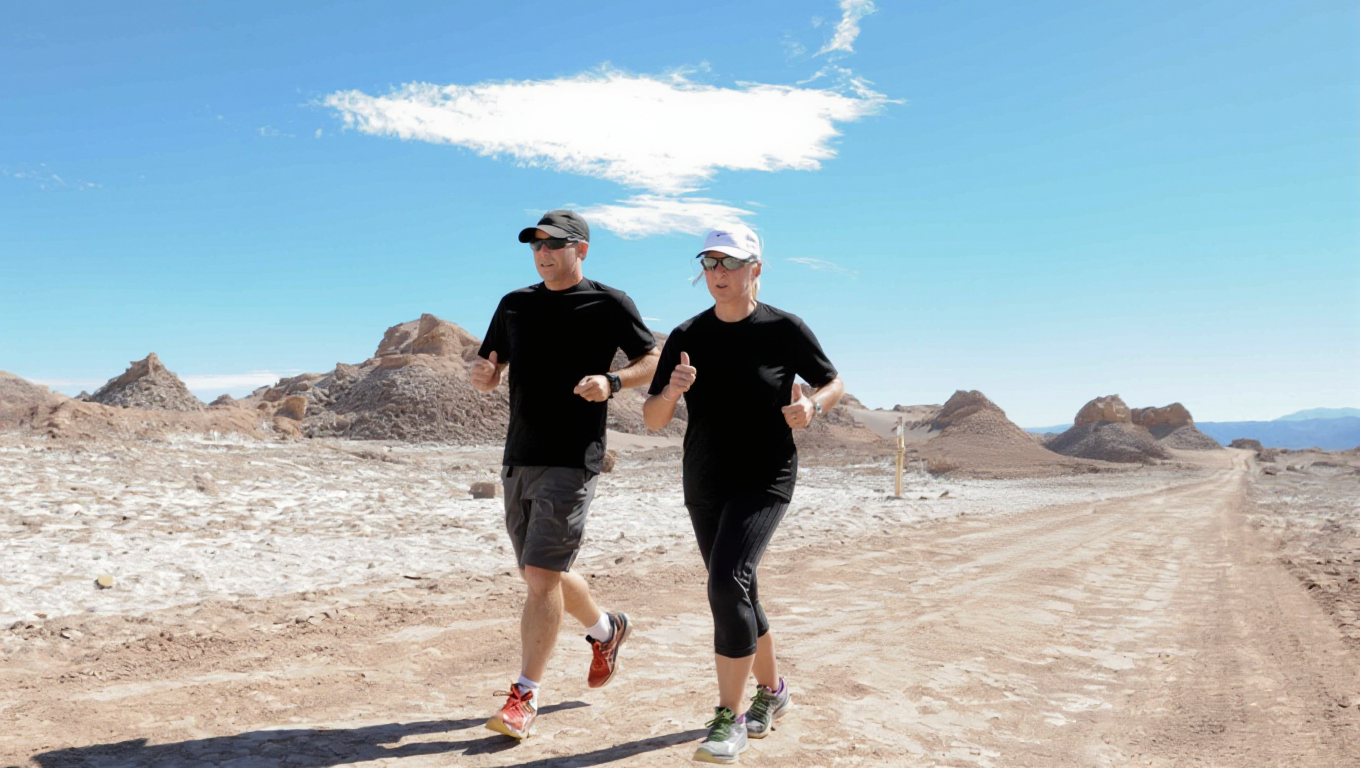
What is running load? Which data points are used to calculate load?
In sports science, that question comes down to one concept: *running load.* Understanding running load is one of the most powerful ways to reduce injury risk, improve performance, and train smarter long term. At LODE, this concept is the foundation of everything we do. Let’s break it down in a simple, practical way.
Vanessa

What Are Common Overload Training Injuries?
Overuse injuries account for the vast majority of running-related injuries. Unlike traumatic injuries caused by a single event (a sprained ankle from stepping on a rock), overuse injuries develop gradually through repetitive stress that exceeds the tissue's capacity to repair and adapt. Knowing the most common presentations, their mechanisms, symptoms, and key differences, helps runners and coaches detect them early.
Vanessa
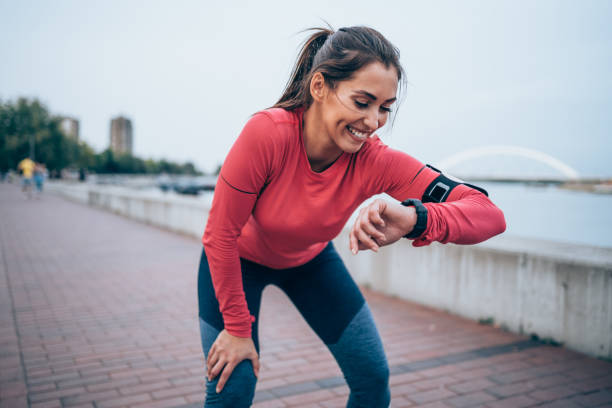
Why Is My Running Load Different From One Day to the Next?
You lace up, head out on your usual 5 km loop, and halfway through you feel heavier than expected. Yesterday felt effortless. Same route, same pace, so why does today feel so different? The answer lies in understanding that your running load is never truly fixed. It fluctuates day-to-day in response to a complex web of physiological, psychological, and environmental factors.
Vanessa

How Do I Know If I Should See a Physiotherapist?
Many runners default to either extreme: seeking professional assessment at the first sign of discomfort, or avoiding it entirely until an injury has become serious. Neither approach is optimal. Knowing when to self-manage and when to seek expert input can save months of frustrating injury time.
Vanessa

What Is EWMA and What Is ACWR?
If you've spent time in the world of structured training or performance monitoring, you've likely encountered two acronyms: ACWR (Acute:Chronic Workload Ratio) and EWMA (Exponentially Weighted Moving Average). These are two interconnected concepts that together form the backbone of modern training load monitoring. Understanding them can transform how you approach your training.
Vanessa
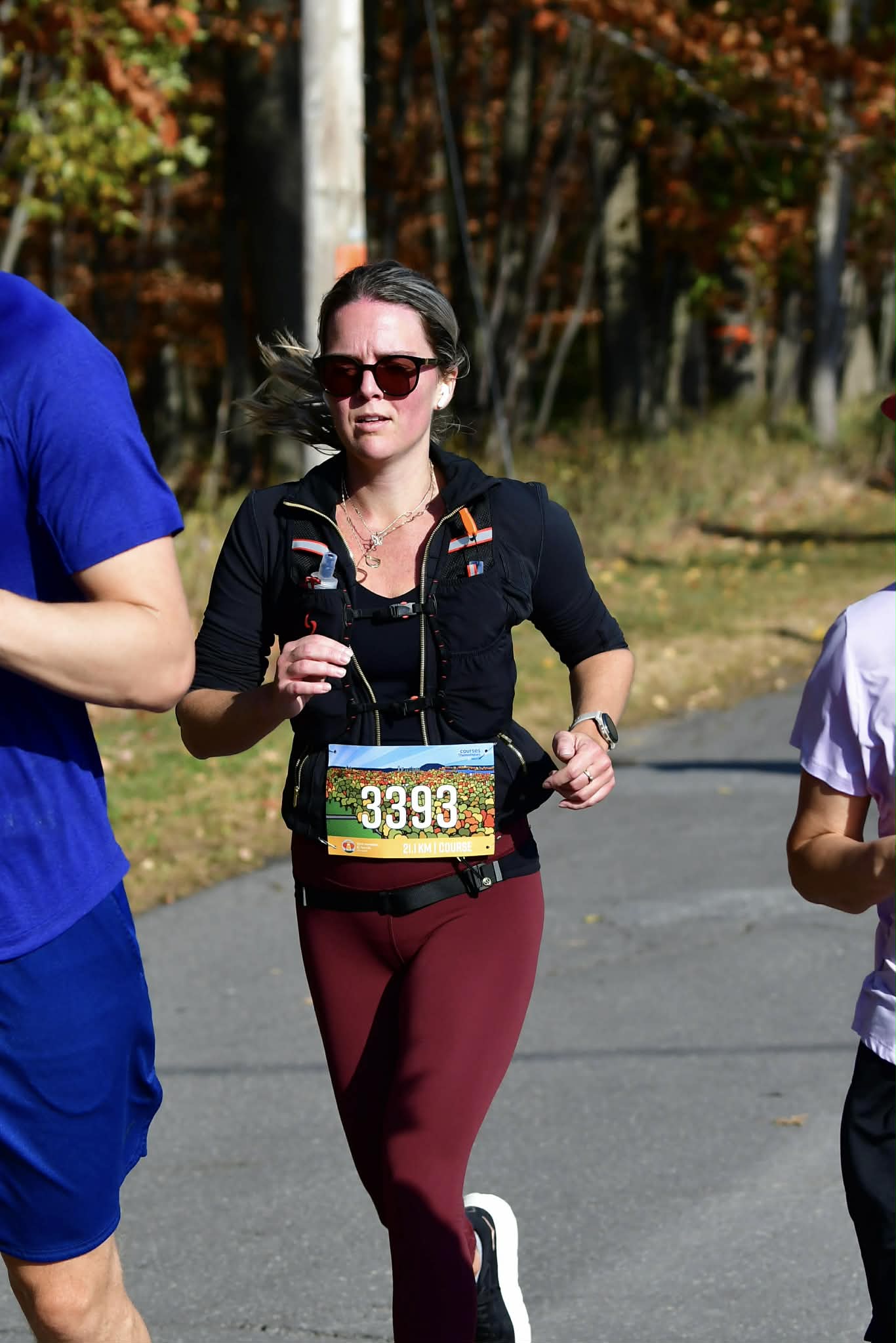
What Is the Training Sweet Spot, and How Can I Consistently Train In It?
In training load science, the "sweet spot" is not a motivational metaphor it is a personal, moving target where your recent training load is proportional to what your body has been progressively prepared for. Rather than a fixed number to hit, it is better understood as a direction of travel: are you building load at a rate your body can absorb and adapt to? Staying in that zone consistently is the central challenge of intelligent running programming.
Vanessa
Which Training Phase Should I Be In? What About Deload Weeks?
If you run regularly - whether you’re building back from a break, chasing a PB, or stacking mileage for a marathon - your legs do a lot of repetitive work. A good massage gun (also called a percussion massager) can be a practical recovery tool: it helps you relax tight-feeling muscles, reduce that “heavy legs” sensation after harder sessions, and make it easier to move well between runs. It’s not magic, and it won’t “flush lactic acid” (that’s not really how soreness works), but used well it can be a genuinely useful part of your post-run routine.
Vanessa
What Affects Injury Risk?
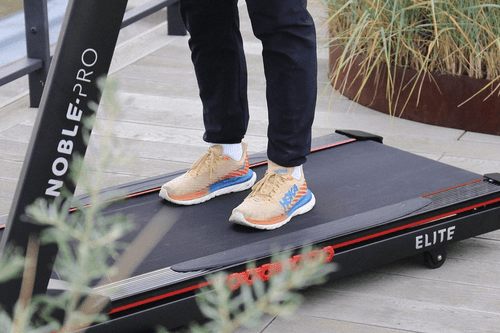
Running is one of the most accessible forms of exercise in the world and one of the most injury-prone. Studies report that up to 85% of all categories of runners sustain a running-related injury (RRI) in a given year, with the knee, foot/ankle, and lower leg being the most frequently affected sites. But what actually drives this injury burden? The answer is multifactorial, and understanding each contributing domain is the first step toward meaningful prevention.
Vanessa